

Choosing when to visit Beijing based only on airfare prices can result in a much more demanding trip than expected.
Many of Beijing’s essential attractions, including the Forbidden City, the Summer Palace, the Temple of Heaven, and the Great Wall, require long periods of walking outdoors. Temperature, rainfall, wind, and air quality can therefore have a direct effect on your daily itinerary.
Spring may bring dry winds and occasional dust, while summer is hot, humid, and rainy. Autumn is generally comfortable but has significant temperature differences between day and night. Winter is cold, windy, and extremely dry.
This Beijing weather guide explains the seasonal climate, the best time to visit Beijing, detailed monthly weather conditions, what to wear, and the weather hazards travelers should consider before departure.
Understanding Beijing’s Climate
Beijing has four distinct seasons and a continental climate.
Spring and autumn are relatively short, while summer and winter tend to feel more pronounced. Summer daytime temperatures frequently rise above 30°C, while winter nighttime temperatures can fall to around -10°C or lower during cold spells.
Rainfall is not distributed evenly throughout the year. Most rain falls between June and August, while winter is generally cold and dry.
For most travelers, the best time to visit Beijing is from mid to late April through May, or from September through October. These periods are generally more comfortable for walking and outdoor sightseeing.
However, weather is not the only factor to consider. Major Chinese public holidays can bring large crowds, higher accommodation demand, and more limited transportation availability.
Beijing Monthly Weather Comparison
The figures below are long-term planning averages rather than a forecast for a specific year. Heat waves, cold spells, heavy rain, and strong winds can cause actual conditions to vary considerably.
| Month | Average Daytime | Average Nighttime | Rainfall Pattern | General Conditions | Recommended Clothing | Weather to Watch |
|---|---|---|---|---|---|---|
| January | 2°C | -9°C | Very low | Very cold and dry | Down coat, thermal layers, winter boots | Cold waves, wind, icy surfaces |
| February | 6°C | -6°C | Very low | Cold mornings, slightly milder afternoons | Padded coat, knitwear, gloves | Sudden cold spells, dry air |
| March | 13°C | 0°C | Low | Windy with large temperature changes | Sweater, windproof jacket, trousers | Dust, strong wind, temperature swings |
| April | 21°C | 8°C | Relatively low | Mild afternoons, cool mornings | Long sleeves, light jacket | Dust, dry wind, large day-night difference |
| May | 27°C | 14°C | Moderate | Warm and occasionally hot | T-shirt, light shirt, sun hat | Strong UV exposure, early heat |
| June | 31°C | 19°C | Increasing | Hot with rising humidity | Lightweight summer clothing | Heat, showers, thunderstorms |
| July | 32°C | 22°C | Very high | Hot, humid, and rainy | Breathable clothing, rain gear | Heavy rain, lightning, heat waves |
| August | 31°C | 21°C | High | Hot and humid with showers | Summer clothing, waterproof shoes | Localized downpours, high humidity |
| September | 27°C | 15°C | Decreasing | Warm days and cooler evenings | T-shirt, long sleeves, light jacket | Temperature differences, strong UV |
| October | 19°C | 7°C | Relatively low | Cool, dry, and comfortable | Knitwear, windbreaker, long trousers | Sudden cold weather, cool evenings |
| November | 10°C | -1°C | Low | Cold and dry | Coat or padded jacket | Cold waves, wind, dry conditions |
| December | 4°C | -7°C | Very low | Cold and extremely dry | Heavy down coat, winter accessories | Cold waves, wind chill, icy paths |
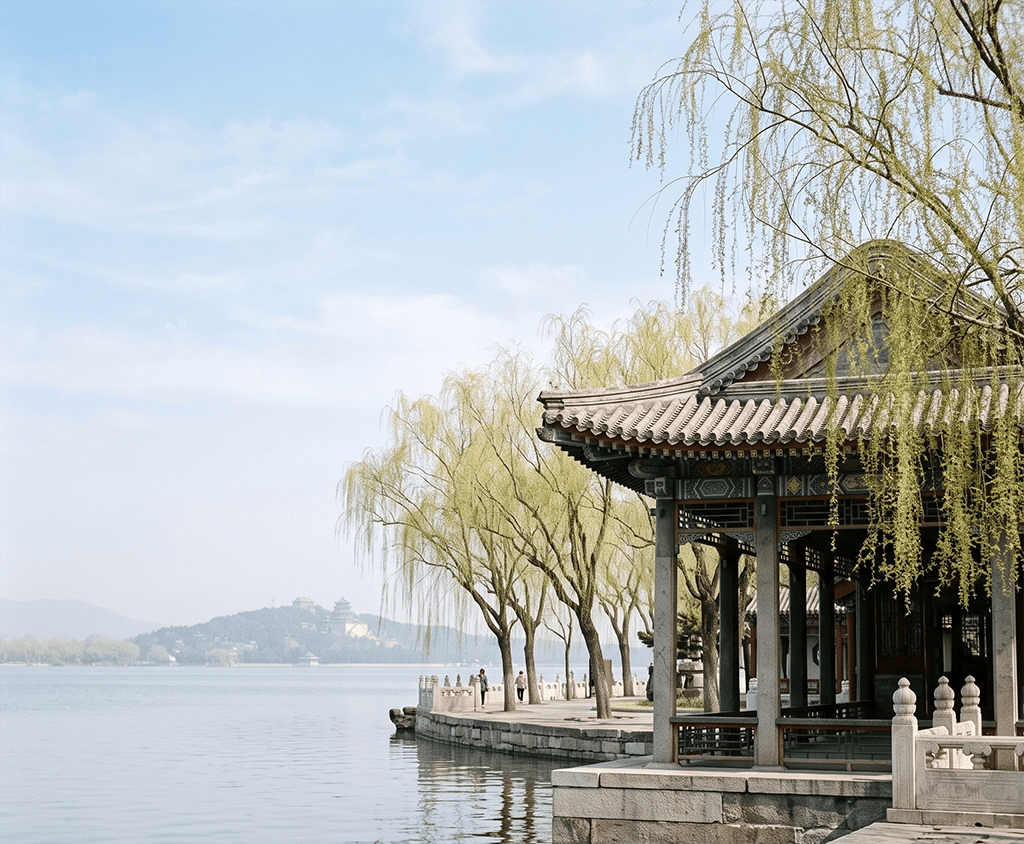
Beijing Weather by Season
Spring in Beijing: March to May
Spring in Beijing is short, dry, and highly changeable.
March can still feel like winter in the morning, while late May may feel like early summer. Daytime temperatures rise quickly throughout the season, but nights often remain considerably cooler.
Layered clothing is the most practical choice. A wind-resistant outer layer is particularly useful because dry, strong winds can make the air feel cooler than the measured temperature.
Travelers should also monitor dust and air-quality conditions during spring. On days with poor visibility or uncomfortable air quality, replace outdoor plans with museums, shopping centers, galleries, or indoor cultural attractions.
Summer in Beijing: June to August
Summer in Beijing is hot, humid, and rainy.
July and August usually bring the highest humidity and the greatest chance of heavy rain. Afternoon thunderstorms can develop even when the morning appears clear.
Schedule outdoor attractions such as the Forbidden City and the Great Wall early in the day. Indoor attractions, museums, performances, and shopping areas can be reserved for the hottest part of the afternoon.
If heavy rain is forecast, avoid mountain trails, low-lying roads, underground passages vulnerable to water accumulation, and outdoor attractions with slippery stone steps.
Autumn in Beijing: September to November
Autumn is widely considered one of the best seasons to visit Beijing.
September is generally warm during the day and cooler in the morning and evening. October often offers comfortable temperatures and lower humidity, making it suitable for extensive outdoor sightseeing.
Conditions change quickly in November. What begins as cool autumn weather can feel like early winter by the middle or end of the month.
Even during pleasant autumn days, carry a light jacket or packable padded coat. Daytime warmth can disappear quickly after sunset.
Winter in Beijing: December to February
Winter in Beijing is cold, dry, and sometimes windy.
Snowfall is not necessarily frequent, but paths and steps can become icy after snow or freezing conditions. Strong winds can also make the temperature feel substantially colder.
Alternate outdoor sightseeing with indoor attractions to avoid extended exposure to the cold. Gloves, a scarf, a warm hat, thermal socks, and insulated footwear are as important as a heavy winter coat.
Detailed Beijing Weather by Month
Beijing Weather in January
January is usually the coldest month in Beijing.
The average daytime temperature is around 2°C, but windy conditions can make it feel below freezing. Early mornings and nights may fall below -10°C during colder periods.
The air is extremely dry. Travelers may experience dry skin, chapped lips, irritated eyes, or throat discomfort after spending several hours outdoors.
Wear a long down coat, thermal underwear, a fleece or sweater, warm trousers, gloves, a scarf, and insulated footwear. A hat that covers the ears is useful at open locations such as Tiananmen Square.
Cold waves, strong northwesterly winds, and icy walking surfaces are the main risks. Allow extra time when walking near steps, shaded paths, or stone-paved areas.
Beijing Weather in February
February is slightly milder than January, but winter conditions continue.
Sunny afternoons may feel relatively comfortable, especially when there is little wind. Temperatures fall rapidly after sunset, however, and mornings remain cold.
A padded winter coat is still necessary. Wear a sweater or fleece underneath and consider thermal base layers if you plan to spend most of the day outside.
Sudden cold spells and dry winds are the main conditions to watch. Check the forecast shortly before departure rather than assuming that late February will feel like spring.
Beijing Weather in March
March is a transitional month with large differences between daytime and nighttime temperatures.
Afternoons may rise above 10°C, but mornings can remain close to freezing. A warm, calm afternoon may be followed by a noticeably colder and windier day.
Wear a sweater or sweatshirt under a windproof jacket. Layering is more effective than relying on one heavy item because you can adjust your clothing throughout the day.
March travelers should be prepared for strong winds and possible dusty conditions. Carry a protective mask, eye drops, and tissues. At exposed locations such as the Great Wall, wind can lower the perceived temperature substantially.
Beijing Weather in April
April is one of the best months to visit Beijing.
Afternoon temperatures commonly reach around 20°C, making the month suitable for parks, palace grounds, walking tours, and the Great Wall. Mornings and evenings remain cool.
Wear a long-sleeved shirt with a light jacket, trench coat, or windbreaker. Comfortable walking shoes are essential because many historic sites have large courtyards and uneven surfaces.
The main concerns are dry air, wind, occasional dust, and significant temperature differences between day and night. Do not pack only short-sleeved clothing based on the afternoon forecast.
Beijing Weather in May
May is warm and can occasionally feel like early summer.
Daytime temperatures frequently rise above 25°C, and prolonged exposure to the sun can become tiring. Rain is not as persistent as in midsummer, but conditions may vary.
A T-shirt and lightweight trousers are appropriate during the day. Carry a thin overshirt for early mornings, evenings, and heavily air-conditioned interiors.
Bring sunscreen, sunglasses, a hat, and a refillable water bottle. Strong UV exposure and unexpectedly hot afternoons are the main concerns.
For the Great Wall or the Summer Palace, start early to avoid the warmest and busiest part of the day.

Beijing Weather in June
June marks the beginning of Beijing’s main summer season.
Daytime temperatures frequently exceed 30°C, while humidity and rainfall begin to increase. Sunny mornings can be followed by afternoon showers or thunderstorms.
Wear breathable, quick-drying clothes and comfortable walking shoes. A lightweight shirt or cardigan is useful in strongly air-conditioned restaurants, malls, and museums.
Heat, UV exposure, sudden showers, and thunderstorms require attention. Carry a compact umbrella or a lightweight rain jacket even when the morning sky is clear.
Beijing Weather in July
July is usually one of Beijing’s hottest and wettest months.
Average daytime temperatures are around 32°C, but heat waves can push temperatures above 35°C. High humidity makes outdoor walking feel more difficult than the temperature alone suggests.
Wear breathable, moisture-wicking clothing. A hat, sunscreen, small towel, refillable water bottle, and waterproof bag for electronics are helpful.
Heavy downpours, thunderstorms, lightning, heat exhaustion, and transportation delays are the main concerns.
Visit the Great Wall early in the morning. Plan indoor attractions for the afternoon and avoid mountain areas when lightning or severe rain is forecast.
Beijing Weather in August
August remains hot, humid, and rainy, although conditions may gradually become more comfortable toward the end of the month.
Brief but intense rain can leave stone paths and stairs slippery. This is particularly important at historic sites and sections of the Great Wall.
Wear lightweight clothing and shoes with reliable grip. Carry a compact umbrella, but use a rain jacket if thunderstorms and strong winds are expected.
Pay attention to the timing and intensity of rainfall rather than looking only at the daily chance of rain. Leave flexibility in the itinerary in case roads, attractions, or transportation services are delayed.
Beijing Weather in September
September is one of the most comfortable months for Beijing travel.
Early September can still feel hot in the afternoon, but mornings and evenings become cooler as the month progresses. Rainfall and humidity generally begin to decline.
Pack both short-sleeved and long-sleeved tops. A light jacket is useful for evening walks, early departures, and visits to elevated sections of the Great Wall.
Large day-night temperature differences and strong daytime sunshine are the main conditions to consider. Continue using sunscreen even when the air feels cooler.
Beijing Weather in October
October is often considered one of the best months to visit Beijing.
Temperatures and humidity are generally comfortable for walking. However, conditions at the beginning and end of the month can be significantly different.
Early October may still have daytime temperatures above 20°C. By late October, morning temperatures may fall into the lower single digits.
Pack long-sleeved shirts, knitwear, long trousers, and a windbreaker. A lightweight padded jacket is recommended for late-October travel.
Sudden cold weather and large temperature changes require attention. Travelers should also consider increased crowding during the major public holiday period in early October.
Beijing Weather in November
November brings a rapid transition from autumn to winter.
Daytime temperatures may reach around 10°C, but mornings and nights can fall below freezing. The landscape may still feel autumnal at the beginning of the month, while late November can feel fully wintry.
A coat or lightweight down jacket may be sufficient in early November. A heavier padded jacket, scarf, and gloves may be necessary later in the month.
Cold waves, dry air, and strong winds are the main weather concerns. Check both the temperature and wind speed before visiting large open spaces.
Beijing Weather in December
December is cold, dry, and often clear.
Daytime sunshine can make the weather appear milder than it is, but temperatures remain low. The difference between sunny areas and shaded streets can be noticeable.
Wear a heavy down coat, thermal base layers, knitwear, warm trousers, insulated shoes, gloves, a scarf, and a hat.
Cold waves, wind chill, and icy paths require attention. Indoor heating can also make skin and eyes feel dry, so bring moisturizer, lip balm, and lubricating eye drops if needed.
Weather Conditions to Watch in Beijing
Spring Dust and Poor Air Quality
Dusty or hazy conditions may occur during spring, particularly from March through May.
Carry a well-fitting protective mask and reduce prolonged outdoor activity when visibility or air quality is poor. Travelers who wear contact lenses may find glasses and lubricating eye drops more comfortable.
Prepare an indoor backup plan. Museums, galleries, shopping centers, cultural performances, and restaurants can replace a planned park or Great Wall visit.
Summer Heavy Rain and Thunderstorms
Heavy rain can occur between June and August.
Stone stairs and mountain paths become slippery during rain. Postpone the Great Wall if lightning, extreme rain, or severe weather is forecast.
Flights and road transportation may also be delayed. On departure day, allow more time than usual for the trip to Beijing Capital International Airport or Beijing Daxing International Airport.
Summer Heat and Heat Exhaustion
Heat waves can push summer temperatures above 35°C.
The Forbidden City and Tiananmen Square are extensive open areas with limited shade in some sections. Visit early and avoid scheduling the longest outdoor walks between approximately 1 p.m. and 4 p.m.
Drink water before you feel thirsty. If you experience dizziness, nausea, weakness, or a headache, move to a shaded or air-conditioned location and rest.

Autumn Temperature Differences
September and October are comfortable, but the difference between afternoon and evening temperatures can be significant.
A light jacket, windbreaker, or compact padded coat prevents an otherwise pleasant day from becoming uncomfortable after sunset.
Winter Cold Waves and Wind Chill
From December through February, strong wind can make the temperature feel much lower.
Tiananmen Square, the Forbidden City, and parts of the Great Wall offer limited protection from the wind. Cover your hands, neck, and ears, and include regular indoor breaks in the itinerary.
Best Time to Visit Beijing by Travel Style
Best Time for First-Time Visitors
For a first visit covering the Forbidden City, Tiananmen Square, the Summer Palace, the Temple of Heaven, and the Great Wall, consider late April, May, September, or October.
These months are generally more comfortable for long walking days than midsummer or midwinter.
Best Time to Visit the Great Wall
April, May, September, and October usually offer the most manageable conditions for walking on the Great Wall.
If you visit in summer, reserve an early departure. During winter, check for strong wind, snowfall, and icy steps before traveling.
Avoid exposed mountain sections when thunderstorms are forecast.
Best Time for Photography and Walking
Late September through late October is suitable for walking around Beijing’s hutongs, Shichahai, the Summer Palace, and the Olympic Park.
Clearer-looking autumn skies and lower humidity may improve visibility, although conditions vary from day to day.
The early-October holiday period can be extremely busy. Reserve accommodation, transportation, and timed attraction tickets well in advance if your trip overlaps with this period.
How to Plan a Summer Trip
If you must visit in July or August, schedule outdoor attractions in the morning and arrange museums, shopping centers, and performances for the afternoon.
Choose transportation and tours with flexible cancellation or rescheduling conditions. This is particularly useful for Great Wall trips that may be affected by heavy rain or lightning.
How to Plan a Winter Trip
Travelers comfortable with cold weather can visit from December through February.
Keep individual outdoor periods relatively short. Alternate the Forbidden City, parks, or historic streets with heated museums, restaurants, malls, and cultural attractions.
Winter can still provide a rewarding experience when clothing and daily timing are planned carefully.

Beijing Weather Checklist Before Departure
Seven Days Before Departure
Check the daily maximum and minimum temperatures for your travel dates.
Beijing frequently has significant differences between morning and afternoon temperatures. Look specifically at the expected temperature around your planned departure time, not only the daily maximum.
Two or Three Days Before Departure
Review air quality and any alerts for dust, heat, heavy rain, thunderstorms, strong wind, or cold waves.
Select at least two indoor attractions that can replace an outdoor activity at short notice.
Every Morning During the Trip
Check the hourly forecast before leaving your accommodation.
In summer, review the expected timing and severity of rain. In winter, check wind speed and perceived temperature in addition to the measured temperature.
Conclusion: When Is the Best Time to Visit Beijing?
For most travelers, the best time to visit Beijing is from mid to late April through May, or from September through October.
If comfortable outdoor sightseeing is your priority, consider late September through mid-October. If you prefer warmer spring scenery, late April and May are also good choices.
Each season requires a different travel strategy. Prepare for dust and wind in spring, heat and heavy rain in summer, large temperature differences in autumn, and cold, dry conditions in winter.
Once you have selected your travel month, compare airfare and accommodation based on the areas included in your itinerary. For a Great Wall day trip, consider transportation options that reduce transfer time. For city-focused sightseeing, accommodation near a well-connected subway station can make your daily schedule considerably easier.
