

Planning a trip to Crete often starts with one important question: when is the best time to visit?
Travel photos may make Crete look like a year-round summer destination, but the island’s weather changes noticeably from one season to another. Conditions can also vary between the northern coast, the southern coast, and the mountainous interior.
Summer and early autumn are ideal for swimming and beach holidays. Spring and autumn are generally more comfortable for visiting archaeological sites, exploring historic towns, and taking road trips. Travelers planning to hike Samaria Gorge or other mountain routes may prefer to avoid the intense heat of July and August.
This guide explains Crete weather by season, monthly temperatures, sea conditions, and what to wear. It also helps you choose the best time to visit Crete based on whether you prefer beaches, sightseeing, hiking, or a quieter city break.
Understanding Crete’s Climate
Crete has a Mediterranean climate characterized by hot, dry summers and mild, wetter winters.
Clear and sunny days are common from late spring through early autumn. Rainfall increases from October, with the wettest conditions generally occurring between late autumn and early spring.
However, Crete is a large island with several mountain ranges. Weather conditions can differ considerably depending on where you stay.
The northern coast, including Heraklion, Chania, and Rethymno, is more exposed to seasonal winds. The southern coast can feel warmer and more sheltered in locations protected by the mountains. Highland villages and hiking routes are cooler than the coast, especially in the morning and evening.
Travelers should therefore treat monthly temperatures as general planning guidance rather than a guaranteed forecast.
Crete Weather by Season
Spring in Crete: March to May
Spring is one of the most attractive seasons for sightseeing, driving, nature walks, and cultural travel.
March marks the beginning of the warmer season. Daytime temperatures are usually mild, but mornings and evenings can still feel cool. Rain becomes less frequent than in winter, although showers and windy days remain possible.
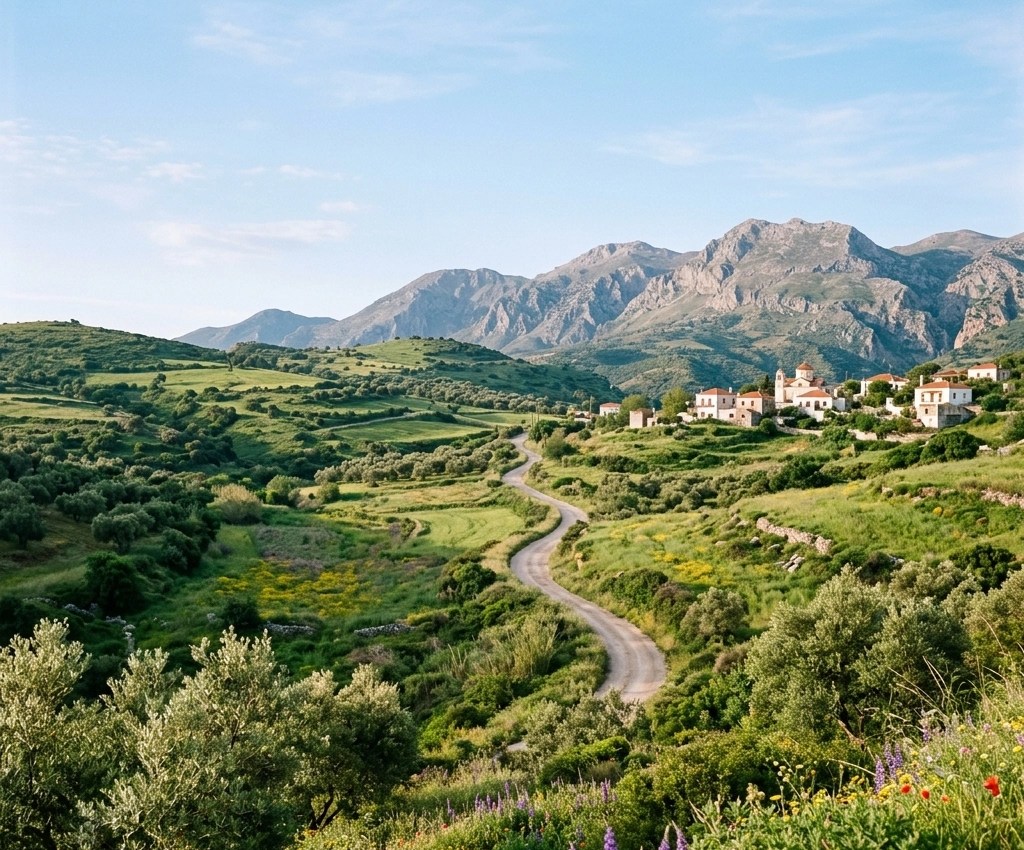
April brings increasingly comfortable daytime conditions. The countryside is green, wildflowers are in bloom, and temperatures are pleasant for exploring archaeological sites and old towns. The sea is still cold for many travelers, so April is better suited to sightseeing than a traditional beach holiday.
May is widely considered one of the best months to visit Crete. Days are warm, rainfall is limited, and most seasonal hotels, restaurants, and tourism services have reopened. Swimming becomes more comfortable toward the end of the month, particularly along the warmer southern coast.
For a spring trip, pack T-shirts, a lightweight shirt or cardigan, long trousers, and comfortable walking shoes. A light waterproof jacket is useful in March and April. If you plan to hike, choose supportive footwear with reliable grip.

Summer in Crete: June to August
June marks the beginning of the main beach season. Days are long, warm, and usually dry. The sea becomes comfortable for swimming, snorkeling, sailing, and boat trips.
July and August are the hottest and busiest months in Crete. Coastal temperatures are typically high, while inland valleys, archaeological sites, and gorges can feel considerably hotter. Periods of extreme heat are possible, making midday outdoor activities uncomfortable.
The Meltemi, a seasonal northerly wind, can affect the island during summer. It may make hot weather feel more manageable, but strong winds can also create rough sea conditions. Boat excursions and ferry services may occasionally be delayed, rescheduled, or canceled.
Pack loose and breathable clothing, swimwear, sandals, sunglasses, high-SPF sunscreen, and a wide-brimmed hat. A lightweight long-sleeved shirt provides extra sun protection and is useful in air-conditioned restaurants, hotels, and vehicles.
Try to visit outdoor attractions early in the morning. During particularly hot periods, schedule museums, long lunches, or hotel breaks between midday and late afternoon.
Autumn in Crete: September to November
September offers many of the advantages of summer with slightly smaller crowds. The weather remains warm, and the sea retains much of the heat accumulated during July and August.
For travelers who want to combine swimming, sightseeing, and road trips, September is one of the best times to visit Crete.
October is cooler and more changeable. Early October can still provide excellent beach weather, but rain and wind become more likely as the month progresses. A flexible itinerary is useful, especially when booking boat tours or planning mountain activities.
November brings cooler temperatures and more frequent rainfall. It is better suited to museums, historic towns, traditional villages, local food experiences, and slower road trips than to a beach-focused holiday.
Summer clothing is usually suitable for September, although it is sensible to carry a light shirt or jacket for the evening. In October, add long trousers and a lightweight waterproof layer. November travelers should pack a proper rain jacket, closed shoes, and warmer layers.
Winter in Crete: December to February
Winter in Crete is relatively mild compared with many destinations in northern and central Europe. However, it is also the island’s wettest and windiest season.
Daytime temperatures along the coast are generally moderate, but nights can feel cold. Rain, humidity, and strong winds may make the weather feel cooler than the temperature suggests.
Snow is uncommon in coastal cities but can cover the higher mountains. Mountain roads may be affected by fog, snow, ice, or temporary restrictions during periods of severe winter weather.
A waterproof jacket, knitwear, long trousers, and water-resistant walking shoes are recommended. Accommodation with dependable heating is also worth prioritizing, particularly in traditional buildings.
Some hotels, restaurants, beach clubs, and tourism businesses in seasonal resort areas close during winter. Heraklion, Chania, and Rethymno are usually more practical bases because they retain larger year-round populations and services.
Crete Weather by Month and What to Wear
The following table provides approximate planning ranges for the northern coast. Temperatures and sea conditions may differ on the southern coast and at higher elevations.
| Month | Daytime High | Nighttime Low | Sea Temperature | Typical Conditions | What to Wear |
|---|---|---|---|---|---|
| January | Around 14°C | Around 7°C | Around 16°C | Cool, wet, and occasionally windy | Sweater, waterproof jacket, long trousers |
| February | Around 14°C | Around 8°C | Around 15°C | Changeable with cool evenings | Warm layers, rain jacket, closed shoes |
| March | Around 15°C | Around 8°C | Around 15°C | Mild but still unsettled | Long sleeves, light jacket, trousers |
| April | Around 19°C | Around 11°C | Around 16°C | Pleasant for walking and sightseeing | T-shirt, light shirt, long trousers |
| May | Around 23°C | Around 14°C | Around 19°C | Warm with limited rainfall | T-shirt, light layer, swimwear |
| June | Around 27°C | Around 18°C | Around 22°C | Sunny and mostly dry | Summer clothing, swimwear, sun hat |
| July | Around 28°C | Around 20°C | Around 25°C | Hot, dry, and sunny | Breathable clothing, sunglasses, sunscreen |
| August | Around 28°C | Around 20°C | Around 25°C | Hot, crowded, and occasionally windy | Lightweight clothing and sun protection |
| September | Around 25°C | Around 18°C | Around 24°C | Warm sea and generally stable weather | Summer clothing, light evening layer |
| October | Around 22°C | Around 15°C | Around 22°C | Mild with an increasing chance of rain | Long sleeves, light jacket, trousers |
| November | Around 19°C | Around 12°C | Around 20°C | Cooler with more frequent showers | Jacket, long trousers, waterproof shoes |
| December | Around 15°C | Around 9°C | Around 18°C | Mild but frequently wet and windy | Sweater, waterproof outer layer, closed shoes |
These figures are general monthly averages rather than daily forecasts. The southern coast may be warmer, while mountainous areas can be significantly colder.
Check a reliable local forecast shortly before departure and again before hiking, driving through mountain areas, or taking a boat trip.
Best Time to Visit Crete for Different Types of Trips
Best Time for First-Time Visitors
Late May through June and September through early October are the most balanced periods for a first trip to Crete.
During these months, the weather is warm enough for beach activities but usually more comfortable for sightseeing than in peak summer. Most seasonal hotels, restaurants, tours, and rental services are operating.
These periods are particularly suitable for itineraries combining beaches, archaeological sites, old towns, villages, and scenic drives.
Best Time for Beaches and Swimming
June through September is the most reliable period for a beach holiday.
July and August usually offer the warmest and driest conditions, but they are also the busiest months. Popular beaches, resort areas, rental cars, and boat excursions can book up early.
September is an excellent alternative for travelers who want warm water with fewer crowds than in August. Swimming may also be possible in early October, although conditions become less predictable later in the month.
Best Time for Sightseeing and Road Trips
April through June and September through October are generally the best months for visiting archaeological sites and exploring Crete by car.
Temperatures are more comfortable for walking around Knossos, Chania Old Town, Rethymno Old Town, monasteries, and traditional inland villages. Road trips are also more enjoyable when the summer heat is less intense.
April is especially attractive for green landscapes and wildflowers, but the sea may be too cold for travelers expecting a full beach holiday.
Best Time for Hiking
Late spring and early autumn are usually the most comfortable periods for hiking.
May, early June, late September, and October can offer a good balance between manageable temperatures and longer daylight hours. However, trail access depends on rainfall, maintenance, and local safety conditions.
Samaria Gorge and other mountain routes may open or close according to seasonal conditions. Never assume that a trail will be accessible based solely on the month.
Check the official opening status shortly before your visit. Bring sufficient water, sun protection, supportive footwear, and a light waterproof layer.
Best Time for a Quiet and Affordable Trip
November through March is the quietest period in Crete.
Flights, accommodation, and car rentals may be more affordable, but the lowest price does not always mean the best overall value. Seasonal flight schedules may be limited, some hotels may close, and coastal tourism services may not operate.
A winter trip works best for travelers interested in local life, food, museums, historic neighborhoods, and longer stays. Choose a city with year-round services rather than an isolated beach resort.
Weather Conditions to Watch in Crete
Summer Heat and Strong UV Exposure
Strong sunshine is one of the main summer risks in Crete.
Open archaeological sites, beaches, and hiking routes may offer limited shade. Plan outdoor visits early in the morning and avoid demanding activities during the hottest part of the day.
Carry water, apply high-SPF sunscreen regularly, and wear a hat. Lightweight clothing that covers the shoulders can be more comfortable than leaving the skin fully exposed.
High Winds and Rough Seas
Strong winds can affect beaches, ferries, and boat trips even when the sky is clear.
If your itinerary includes an essential ferry crossing, avoid scheduling it immediately before an international flight. Allowing a buffer day can reduce the consequences of weather-related disruption.
Travelers prone to motion sickness may also prefer larger ferries where available and should check the forecast before departure.
Sudden Rain in Spring and Autumn
Spring and autumn weather can change quickly, especially near mountains.
A waterproof jacket is often more practical than an umbrella in windy conditions. Keep at least one indoor alternative available, such as an archaeological museum, local winery, covered market, or leisurely meal in a historic town.
Winter Mountain Driving
Rain, fog, ice, and occasionally snow can affect mountain roads in winter.
Check road conditions before leaving the coast, avoid unfamiliar mountain routes after dark, and do not enter a restricted area in a standard rental car. Rental agreements may also limit driving on unpaved roads, so review the terms before collecting the vehicle.
What to Pack for Crete
Spring Packing List
- Short-sleeved and long-sleeved tops
- Lightweight cardigan or fleece
- Light waterproof jacket
- Long trousers
- Comfortable walking shoes
- Swimwear for late spring
- Sunglasses and sunscreen
Summer Packing List
- Lightweight and breathable clothing
- Swimwear
- Sandals and walking shoes
- Wide-brimmed hat
- Sunglasses
- High-SPF sunscreen
- Reusable water bottle
- Lightweight long-sleeved shirt
- Thin layer for air-conditioned spaces
Autumn Packing List
- Summer clothing for September
- Long trousers for cooler evenings
- Lightweight jacket
- Waterproof outer layer
- Comfortable closed shoes
- Swimwear for September and early October
- Compact umbrella
Winter Packing List
- Sweaters and warm layers
- Waterproof and wind-resistant jacket
- Long trousers
- Water-resistant shoes
- Compact umbrella
- Warmer sleepwear
- Light scarf for windy days

Crete Travel Planning Tips by Season
In July and August, book accommodation, rental cars, airport transfers, and popular boat trips well in advance. Travelers looking for beachfront hotels or family resort rooms should avoid leaving reservations until the final weeks before departure.
In May, June, September, and early October, demand can still be high in Chania, Elounda, Rethymno, and near well-known beaches. Earlier booking provides a better choice of room types and cancellation conditions.
For spring and autumn trips, prioritize flexible reservations. Refundable accommodation and tours with reasonable weather cancellation policies can be worth paying slightly more for.
During winter, confirm that the accommodation has effective heating and that nearby restaurants, grocery stores, and transport services remain open. A low room rate can be less useful if the property is located in an almost completely closed resort area.
Is Crete a Year-Round Destination?
Crete can be visited throughout the year, but it does not provide the same type of holiday in every season.
Summer is best for dependable beach weather, swimming, nightlife, and resort facilities. Spring and autumn provide the best balance for sightseeing, driving, hiking, and coastal activities. Winter is better suited to city stays, local food, cultural attractions, and slower travel.
Travelers expecting beach clubs, frequent boat trips, and fully operational coastal resorts should generally visit between late spring and early autumn. Those interested in local life and a quieter atmosphere may find winter rewarding, provided they prepare for rain and limited seasonal services.
Final Summary: When Is the Best Time to Visit Crete?
The best time to visit Crete depends on your priorities.
Choose June through September for swimming and resort holidays. Visit between April and June or September and October for archaeological sites, scenic drives, villages, and outdoor sightseeing. Consider November through March for quiet city breaks and local experiences rather than a traditional beach holiday.
For the best overall combination of weather, sea temperature, sightseeing comfort, and manageable crowds, late May through June and September through early October are particularly strong choices.
Once you have selected your preferred month, compare flights, accommodation, rental cars, and tours together. Matching your travel dates to your main activities can reduce unnecessary costs, improve your daily itinerary, and help you pack more efficiently.